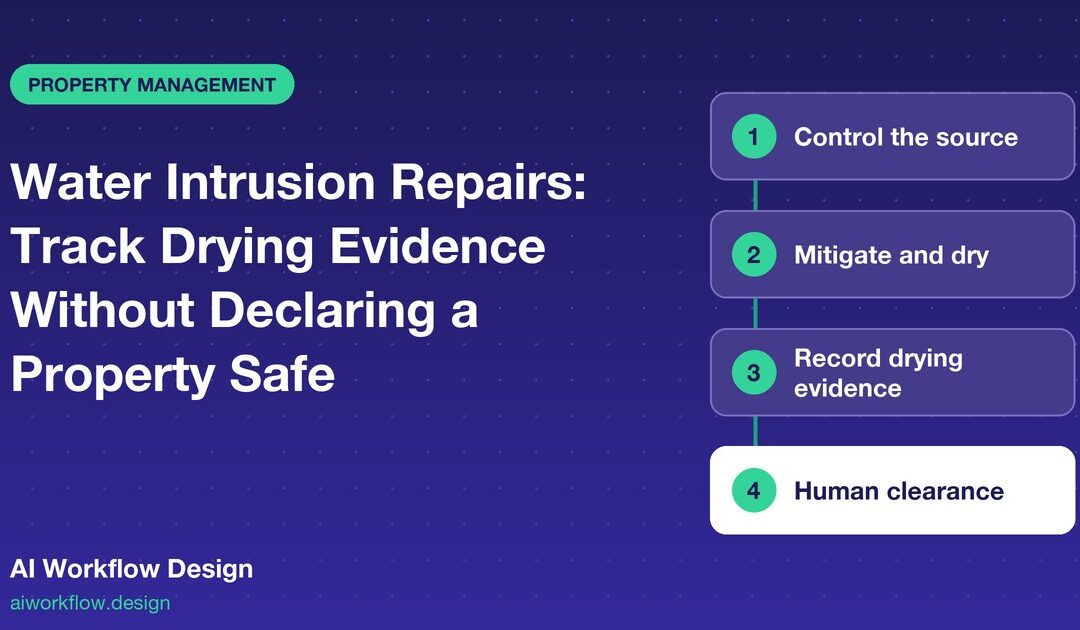
Property water intrusion remediation follow-up should document what happened, which part of a building is affected, who is responding, which drying or repair records exist, and which qualified assessment remains outstanding. A contractor saying ‘the fans have...
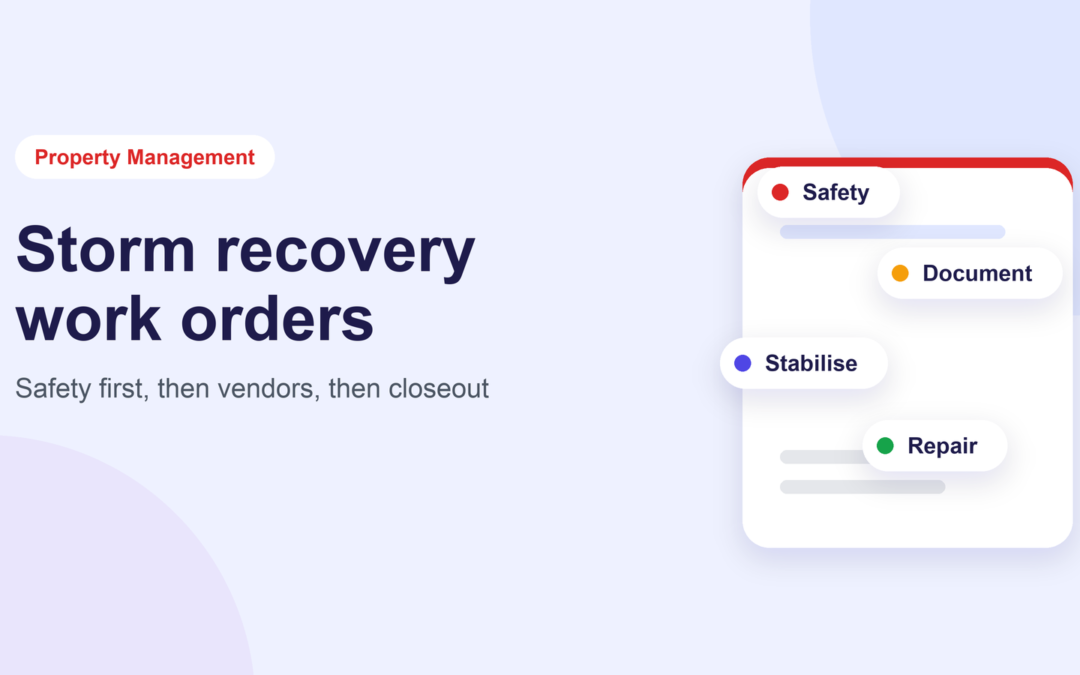
Answer in brief: After a storm, property teams should organise recovery work orders by verified safety access, damage documentation, emergency stabilisation, professional assessment, repair dependencies and human approval. A vendor’s phone update can document progress...
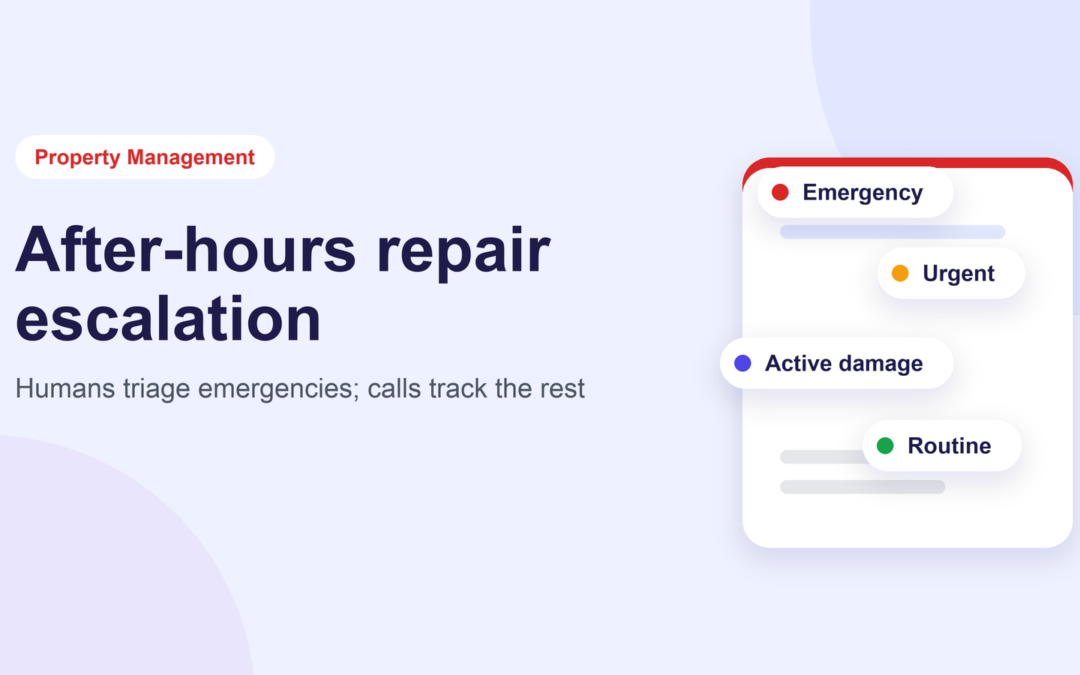
Answer in brief: An after-hours property maintenance process needs an immediately reachable human for safety-critical situations, a documented method to route repair requests, and a controlled follow-up record for non-emergency vendor tasks. Automated calls can check...
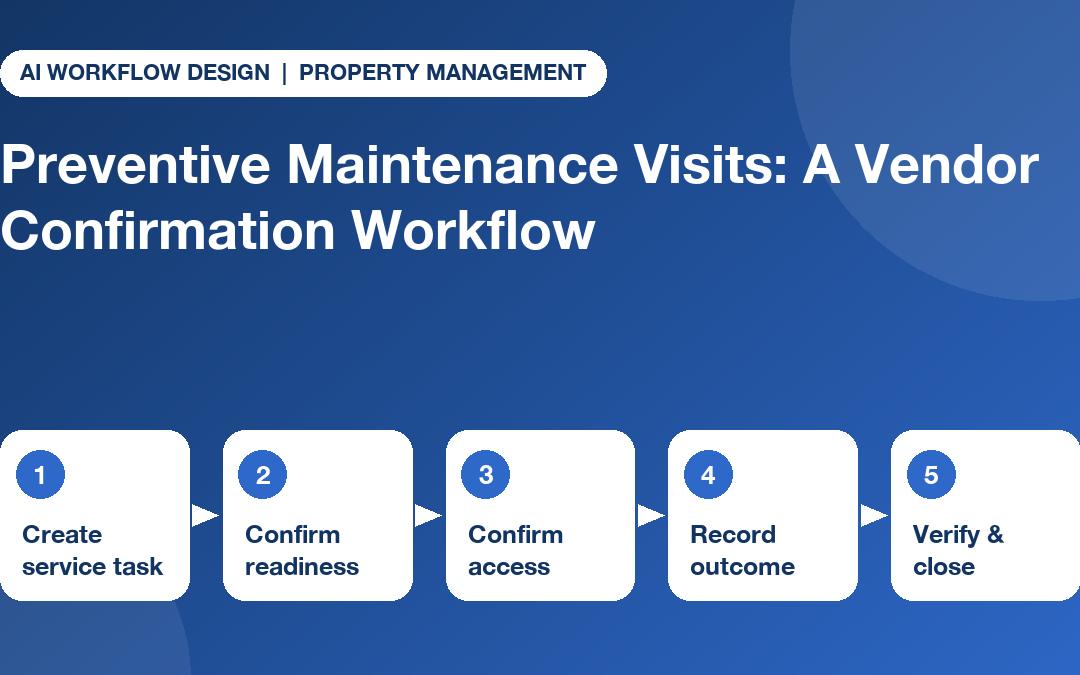
Quick answer: Reliable property preventive maintenance vendor scheduling starts with the asset record, not the phone call. Confirm readiness and access before each visit, record the outcome in separate statuses (attended, rescheduled, no access, partial, reported...
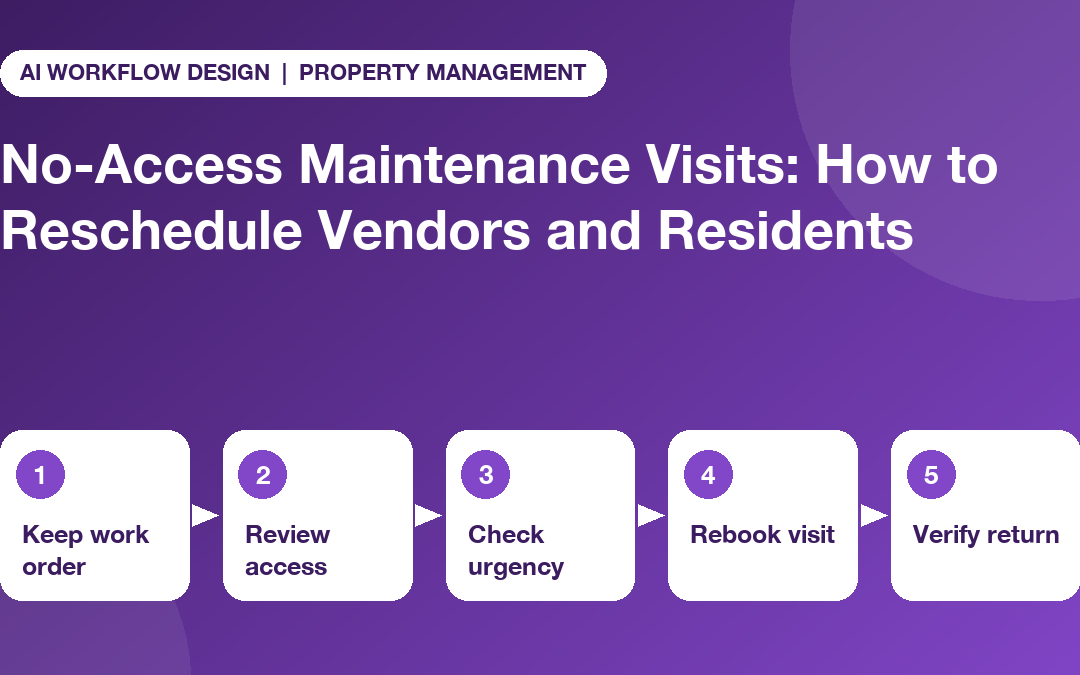
Quick answer: A maintenance no-access follow-up keeps the original work order open, records exactly what the vendor reported, checks the access evidence, reviews urgency, rebooks only after every party confirms, and closes the ticket only after a verified return...
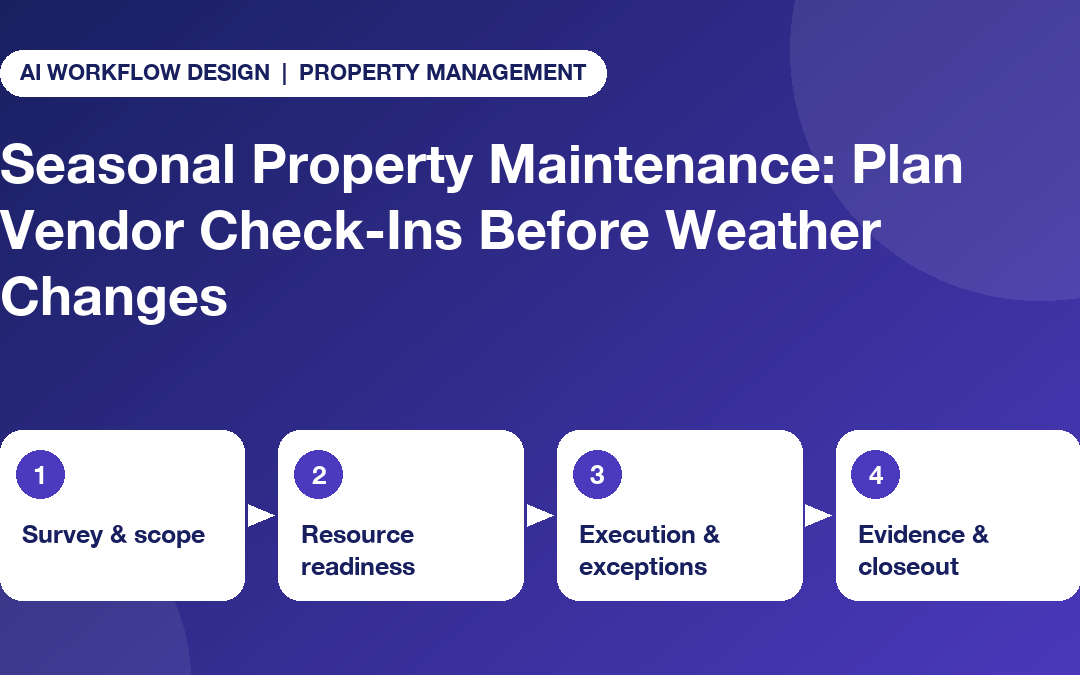
Quick answer: A seasonal property maintenance checklist works best when it starts before the weather changes. Map each building’s climate risks, work back from the exposure date, assign a named vendor and owner to every roof, drainage, HVAC and plumbing task,...